-
The Top Ten Songs of 2023

We’re counting them down, just like Casey Kasem. We’ve done this before — here’s a link to last year’s post: Top Ten Songs of 2022 — and we like to think we keep up with the trends, within reason. Please note a couple things from your friendly wannabe music critic: Before we hit the Top…
-
A Holiday Blog Post About AI Strategy for Marketers
Your holiday season would not be complete without an obligatory blog post that tells you how artificial intelligence can make your holiday marketing and PR content better. That’s right, there’s no sense in doing everything yourself. Automate! Use AI! For instance, you could go to Bard, like I just did, and type in a prompt…
-
Breaking Down the Band: Three Fans Talk About The Best Shows, Albums, and Songs from Oasis, Radiohead, and Pearl Jam
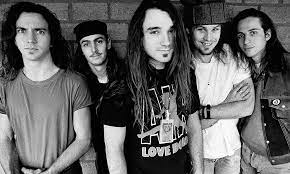
As I was getting ready for Pearl Jam Week in Chicago, a couple things dawned on me. One: I’ve seen this band more often than any other band (north of ten times, lost count). Two: I have opinions. So I thought I would take to the keyboard and throw down a few opinions. Then I…
-
Your Top Ten Songs of 2022
There used to be a record store on the North Side of Chicago — and we’re talking actual “North Side” in that it was on Ridge Avenue and not far from a neighborhood called West Ridge and in an uber-ethnic area that was next to another uber-ethnic area — that never changed the letters in…
-
Why Rolling Stone’s List of Greatest Songs Ever Doesn’t Suck
One of the great maxims of my life has been the following: “Trust your gut, but DON’T conflate your initial reaction with your gut reaction.” E.g. you meet someone at first and you’re thrown off by something; then you realize that your initial reaction — “hey, this dude is over the top crazy!” — morphs…
-
Why This Blog Came Back
“In These Uncertain Times…” That, it seems, is how just about every brand ad begins during the coronavirus slowdown. “The Great Pause” is what some pundits are starting to call it; as opposed to being “The Pause That Refreshes,” it’s “The Pause That’s Uncertain.” Nobody knows what’s next, nobody knows where it’s going, nobody knows…